

5 things you need to know about your painting project in Hawaii
Embarking on a painting project in Hawaii requires a strategic approach to ensure lasting results.
The islands' unique climate, characterized by intense UV radiation, high humidity, and corrosive salt air, presents distinct challenges that can quickly degrade standard paint applications.
Understanding these environmental factors and how to mitigate their impact is crucial for any homeowner looking to protect and beautify their property.
This guide outlines five critical aspects to consider for a successful and durable painting project in Hawaii, helping you make informed decisions.
1. Evaluating Your Home’s Surface for Painting in Hawaii
Before any paint is applied, a thorough assessment of your home's exterior surfaces is essential.
This initial evaluation forms the foundation for the entire project's success and longevity, especially given Hawaii's challenging climate.
Addressing existing issues meticulously ensures optimal adhesion and maximizes the lifespan of your new paint.
Inspecting for Cracks and Structural Imperfections
Before painting, inspect the home for cracks, gaps, and imperfections around windows, doors, corners, and other stress points. In Hawaii’s climate, moisture, humidity, and ground movement can make small cracks worse over time. Sealing these areas with quality exterior caulk or patching compounds helps prevent water intrusion, wood rot, bubbling paint, and future damage.
Addressing Peeling and Flaking Paint
-
Peeling or flaking paint indicates previous adhesion failure, often due to moisture or inadequate surface preparation.
-
In Hawaii's humid environment, moisture easily penetrates existing paint layers, causing them to lift.
-
Thoroughly scrape down all areas with peeling, blistering, or flaking paint to a sound surface.
-
Sand the edges to feather them smoothly, ensuring the new paint layer lies flat and bonds effectively.
Eliminating Mildew and Algae Growth
Mildew and algae commonly develop on exterior surfaces throughout Hawaii due to the island’s warm, humid climate, especially in shaded or windward areas that retain moisture. If left untreated, these organic growths can weaken paint adhesion, cause premature coating failure, and continue to spread beneath newly applied paint layers. Proper cleaning and treatment are essential to ensure a long-lasting and durable paint finish.
- Identify any green, black, or pinkish discoloration on your home's exterior.
-
Ensure the surface is completely dry before any further preparation or painting.
2. Selecting Paint Products for Hawaii's Tropical Conditions
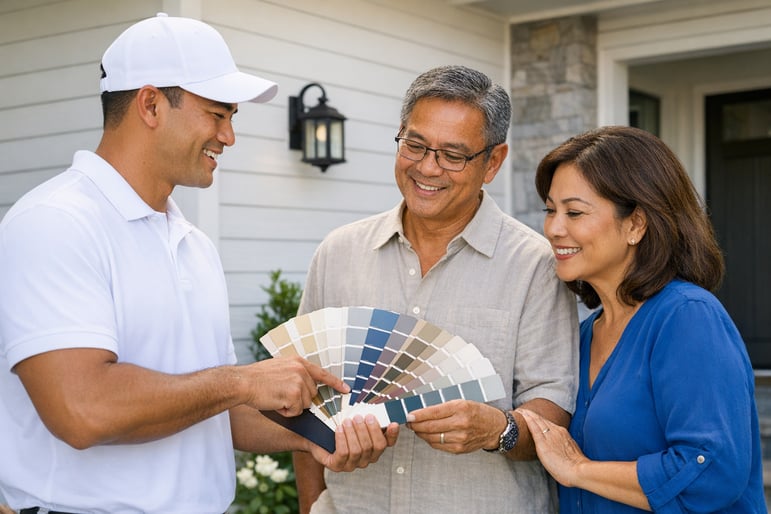
The choice of paint is paramount for any exterior project in Hawaii, directly impacting your home's longevity and aesthetic appeal against the islands' relentless climate.
Standard paints often fall short against Hawaii's high humidity, intense sun, and corrosive salty air.
Opting for premium paints specifically engineered for tropical or extreme weather conditions is not just an option, but a necessity for superior protection and durability.
Prioritizing UV Protection for Intense Sunlight
-
Hawaii's strong and consistent UV radiation rapidly degrades paint, causing fading, chalking, and film failure.
-
Select paints with robust UV-resistant properties and advanced UV inhibitors.
-
High-quality acrylic latex paints generally offer better UV resistance than oil-based alternatives.
-
These formulations help maintain color vibrancy and structural integrity, preventing premature dulling.
Considering Salt Air and Corrosion Resistance
-
Homes near the coast are exposed to corrosive salt spray, which can accelerate paint degradation.
-
Opt for paints designed for marine or coastal environments, offering enhanced protection against salt-induced corrosion and fading.
-
These specialized coatings provide a stronger barrier against environmental stressors.
3. Implementing Proper Surface Preparation Techniques
Beyond initial evaluation, meticulous surface preparation is the cornerstone of a long-lasting paint job in Hawaii.
Skipping or rushing these steps can lead to premature paint failure, regardless of the quality of paint used.
Proper preparation ensures maximum adhesion and a smooth, durable finish.
Thorough Cleaning
-
After addressing cracks and peeling paint, power wash the entire exterior to remove dirt, dust, loose particles, and any remaining mildew.
Priming for Adhesion and Protection
-
Apply a high-quality exterior primer, especially on bare wood, patched areas, or surfaces with significant repairs.
-
Primer creates a uniform surface for paint adhesion, seals porous materials, and provides an additional barrier against moisture.
Caulking and Sealing
-
Use a flexible, paintable exterior caulk that can withstand temperature and humidity fluctuations without cracking.
-
This step is vital for preventing water intrusion and protecting the underlying structure from moisture damage.
4. Timing Your Painting Project in Hawaii
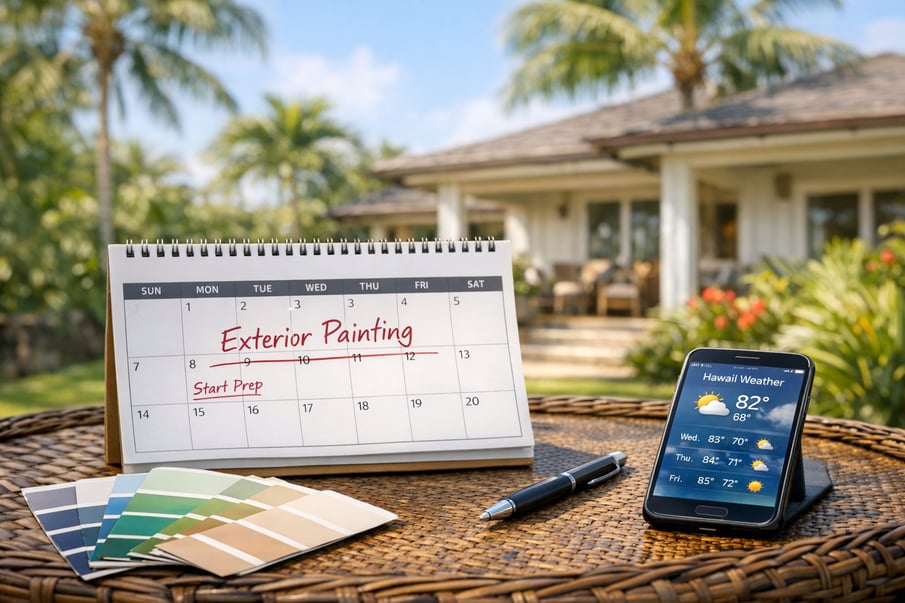
The timing of your painting project in Hawaii is critical due to the islands' distinct weather patterns.
Choosing the right season and daily conditions can significantly impact paint drying, curing, and overall longevity.
Understanding Seasonal Considerations
-
The dry season (typically May to October) is generally preferred for exterior painting due to less rainfall and lower humidity.
-
Avoid the wet season (November to April) if possible, as frequent showers can interrupt work and compromise paint adhesion.
-
Even in the dry season, be mindful of localized microclimates and daily rain showers.
Avoiding Direct Sun and High Heat
-
Painting in direct, intense sunlight or during the hottest part of the day can cause paint to dry too quickly, leading to brush marks, poor adhesion, and premature fading.
-
Plan to paint in shaded areas or during cooler parts of the day, such as early morning or late afternoon, to allow for proper drying and curing.
5. The Value of Professional Expertise for Hawaii Painting Projects
While DIY painting can be tempting, the unique challenges of Hawaii's climate often make professional expertise an invaluable investment.
Experienced local painters understand the specific conditions and best practices required to ensure a durable and beautiful finish.
Local Climate Knowledge
-
Professional painters in Hawaii possess firsthand knowledge of how the local climate impacts paint selection, application, and longevity.
-
They can recommend specific products and techniques best suited to withstand UV, humidity, and salt air.
-
This expertise helps avoid common pitfalls that lead to premature paint failure.
Proper Equipment and Techniques
-
Professionals have access to specialized equipment, such as high-pressure washers, scaffolding, and sprayers, ensuring efficient and high-quality application.
-
They are skilled in proper surface preparation, including mildew removal and crack repair, which are critical in Hawaii.
-
Their techniques ensure even coverage, optimal adhesion, and a smooth, professional finish.
Ready to Start Your Painting Project?
Knowing what to expect before your painting project begins can help you make better decisions, avoid common problems, and protect your home for years to come.
At Kapili Roofing & Painting, we understand Hawaii’s climate and what it takes to deliver a lasting, professional finish.
Contact Kapili Roofing & Painting today to schedule your consultation and get a quote.
FAQ
-
How often should I repaint my house in Hawaii? Due to Hawaii's harsh climate, exterior paint typically lasts 5-7 years, though high-quality paints and meticulous preparation can extend this to 8-10 years. Regular inspection for fading, peeling, or mildew is recommended.
-
What type of paint is best for Hawaii's climate? High-quality acrylic latex paints with advanced UV inhibitors, mildewcides, and properties resistant to salt air are generally recommended. These formulations offer superior durability against intense sun, humidity, and corrosive elements.
-
Can I paint my house during the rainy season in Hawaii? It's generally advisable to avoid painting during Hawaii's rainy season (typically November to April). Moisture can compromise paint adhesion and curing, leading to premature failure. The dry season (May to October) offers more consistent weather for optimal results.
-
Is priming really necessary in Hawaii? Yes, priming is crucial in Hawaii. It creates a uniform surface, seals porous materials, enhances paint adhesion, and provides an additional barrier against moisture and mildew, which are prevalent issues on the islands.
-
How do I deal with mildew before painting? Mildew must be thoroughly removed before painting. Use a solution of bleach and water (1 part bleach to 3 parts water) or a specialized mildew remover. Apply, let it dwell, scrub if necessary, and rinse completely. Ensure the surface is dry before painting.
Resources/Helpful Links