
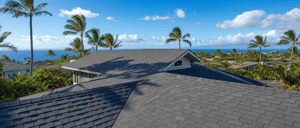
When a storm hits the Hawaiian Islands, the damage to your roof may not always be obvious right away. Strong winds, heavy rain, humidity, and salt air can create hidden roofing problems that worsen over time if left untreated. A proper roof inspection after a storm can help prevent leaks, structural damage, mold growth, and costly repairs.
This Hawaii storm damage roof inspection checklist will help homeowners identify common warning signs and understand when it’s time to call a professional roofing contractor.
Understanding Hawaii’s Storm Impact on Roofs
Hawaii’s tropical environment creates roofing challenges that are different from many mainland states. Roofs across Oahu, Maui, Kauai, and the Big Island are exposed to year-round moisture, UV rays, trade winds, and occasional hurricanes or tropical storms.
Common Hawaii Roofing Challenges
-
Salt Air Corrosion
Homes near the ocean are exposed to salty air that can accelerate corrosion on metal roofing components such as flashing, fasteners, and gutters.
-
High Winds & Wind-Driven Rain
Strong storms can loosen shingles, tiles, and roofing materials while forcing rain underneath roofing systems, leading to hidden moisture intrusion.
-
Intense UV Exposure
Constant sun exposure in Hawaii can dry out roofing materials over time, making them brittle and more vulnerable during storms.
-
Heavy Rain & Humidity
Persistent moisture can lead to mold growth, wood rot, and insulation damage if leaks are not caught early.
Pre-Inspection Safety Preparations
Before inspecting your roof, prioritize safety. Never climb onto a roof during wet or windy conditions.
Recommended Tools & Safety Gear
-
Binoculars for ground-level inspections
-
Sturdy ladder with proper footing
-
Work gloves
-
Non-slip shoes
-
Safety helmet
-
Flashlight for attic inspections
-
Smartphone or camera for documentation
If your roof appears severely damaged or unstable, contact a licensed roofing contractor instead of attempting a self-inspection.
Comprehensive Hawaii Roof Storm Damage Checklist
A complete inspection should include both exterior and interior areas of your home.
If you’re unsure whether your roof needs repair or replacement, visit our Roof Replacement Services or schedule a Free Roof Inspection with our team to discuss your roof’s condition.
Exterior Roof Inspection

1. Check for Missing or Damaged Roofing Materials
Inspect for:
-
Missing shingles or tiles
-
Cracked or broken roofing materials
-
Curling or lifted shingles
-
Loose ridge caps
-
Exposed underlayment
These issues can allow water intrusion during future rainstorms.
Learn more about common roof problems on our Roof Repair Services page.
2. Inspect Flashing & Roof Penetrations
Check metal flashing around:
-
Chimneys
-
Skylights
-
Roof vents
-
Solar panel mounts
-
Valleys and transitions
Look for:
-
Rust or corrosion
-
Lifted flashing
-
Gaps or separation
-
Loose sealant
Damaged flashing is one of the most common causes of roof leaks.
3. Examine Gutters & Downspouts
Storm debris can clog drainage systems and cause water backup.
Look for:
-
Clogged gutters
-
Detached downspouts
-
Sagging gutter sections
-
Granules from asphalt shingles accumulating in gutters
Proper drainage is critical during Hawaii’s heavy rain events.
You can also explore our Roof Maintenance Services to help prevent future storm damage.
4. Check for Debris Impact Damage
Tree branches and flying debris may create punctures or hidden structural damage.
Inspect for:
-
Dents in metal roofing
-
Cracked tiles
-
Soft spots
-
Impact marks
-
Fallen branches resting on the roof
Trim nearby trees regularly to reduce future storm risk.
5. Inspect Roof Edges & Soffits
Strong winds often affect roof edges first.
Look for:
-
Loose fascia boards
-
Detached soffits
-
Lifted drip edge metal
-
Signs of water intrusion near eaves
Interior Roof Inspection

6. Inspect the Attic
Your attic can reveal hidden roof leaks before they become major issues.
Look for:
-
Water stains
-
Damp wood
-
Mold or mildew
-
Sunlight coming through roof boards
-
Musty odors
If moisture is present, it may be time to schedule a professional Roof Leak Inspection.
7. Check Ceilings & Walls
Inside your home, inspect:
-
Ceiling discoloration
-
Bubbling paint
-
Sagging drywall
-
Water stains near windows or corners
Even small stains can indicate active roof leaks.
8. Examine Insulation
Wet insulation loses effectiveness and may promote mold growth.
Signs include:
-
Compressed insulation
-
Damp insulation
-
Uneven temperatures inside the home
9.Document Any Damage
After your inspection:
-
Take clear photos of all damage
-
Record dates and observations
-
Save receipts for temporary repairs
-
Contact your insurance company if needed
Proper documentation can help support insurance claims after severe weather events.
When to Call a Professional Roofing Contractor
Contact a licensed Hawaii roofing contractor if you notice:
-
Active leaks
-
Missing roofing sections
-
Structural sagging
-
Extensive water damage
-
Mold growth
-
Storm debris impact damage
Professional inspections can identify hidden problems that may not be visible from the ground.
Schedule your Free Roof Inspection today if you suspect storm damage.
Why Hawaii Homeowners Choose Kapili Roofing & Painting
Kapili Roofing & Painting understands the unique roofing challenges Hawaii homeowners face. Our team provides professional roof inspections, repairs, and replacements designed for Hawaii’s climate conditions.
We proudly serve homeowners across:
-
Oahu
-
Maui
-
Kauai
Our team is licensed, insured, and experienced in residential and commercial roofing systems throughout Hawaii.
Learn more about our:
Frequently Asked Questions
How much does roof replacement cost in Hawaii?
Roof replacement costs in Hawaii typically range between $10,000 and $30,000 or more depending on:
-
Roof size
-
Roofing material
-
Roof complexity
-
Labor requirements
Visit our Roof Replacement Services page to learn more.
How long does a roof replacement take?
Most residential roof replacements take approximately 1–2 weeks depending on:
-
Weather conditions
-
Material availability
-
Roof size and complexity
Is Kapili Roofing licensed in Hawaii?
Yes. Kapili Roofing & Painting is a licensed Hawaii roofing contractor and follows Hawaii state licensing requirements and building standards.
Sources & References
-
National Roofing Contractors Association (NRCA) — Roof System Design Considerations
-
FEMA — Hurricane Retrofit Guide & Roof Protection Recommendations
-
OSHA — Fall Protection Safety Guidelines for Roofing Work
-
Hawaii State Department of Commerce & Consumer Affairs (DCCA) Contractor License Information
Protect Your Hawaii Home Before the Next Storm
Storm damage can worsen quickly if left untreated. Scheduling a professional roof inspection after severe weather can help protect your home, family, and investment.
Kapili Roofing & Painting offers free roof inspections for homeowners across Oahu, Maui, and Kauai.
👉 Schedule Your Free Roof Inspection today and keep your roof ready for Hawaii’s changing weather conditions.
