
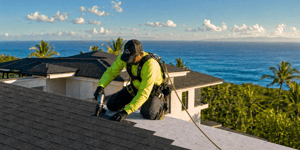
The Importance of Local Expertise
When it comes to roofing in Hawaii, local expertise is invaluable. The islands present unique challenges that only a local Hawaii roofing company can effectively address. From the corrosive salt air to the intense trade winds, Hawaii's climate demands specialized knowledge and materials.
Understanding Hawaii's Unique Climate Challenges
Hawaii's environment includes salt air corrosion and powerful trade winds. These factors can significantly reduce the lifespan of a roof if not properly managed. A local roofer understands how these elements affect roofing materials and can recommend solutions that ensure durability.
For example, on Oahu, the proximity to the ocean means homes often face intense salt spray, which can accelerate the rusting process in metal roofs. On Maui, the combination of high humidity and tropical rains necessitates the use of water-resistant materials and coatings. Understanding these local conditions helps in selecting the right roofing materials and techniques.
Additionally, Hawaii's unique microclimates make it important to choose materials that can withstand specific regional conditions. For example, areas like the Windward side of Oahu experience high rainfall, requiring roofs with excellent water drainage capabilities.
Navigating Local Regulations and Permits
Local roofing companies are well-versed in Hawaii's building codes and regulations. This is crucial for compliance and safety. Hawaii's licensed contractors, like Kapili Roofing & Painting, ensure all projects meet state requirements, avoiding potential legal issues.
Benefits of Hiring a Local Hawaii Roofing Company
Choosing a local roofer offers numerous advantages beyond compliance and climate expertise. These companies provide personalized service and quick response times, essential for addressing Hawaii's unpredictable weather.
Quick Response Times and Personalized Service
Local roofers can quickly respond to emergencies, minimizing damage from sudden storms or leaks. Their proximity allows for faster service and personalized attention, tailored to your specific needs.
In addition, local companies like Kapili are familiar with the typical roofing issues that arise in different areas. Whether it's the wind uplift challenges on Kauai, they can deliver solutions that are both effective and efficient.
Knowledge of Local Materials and Techniques
Roofing materials suitable for Hawaii must withstand UV exposure and high humidity. Local companies have experience with materials like metal roofs and specialized coatings designed for island conditions. This expertise ensures your roof's longevity and performance.
For instance, metal roofing is a popular choice in Hawaii due to its durability and resistance to the elements. However, metal roofs require special coatings to prevent corrosion from salt air. Alternatively, tile roofing, while heavier, offers excellent resistance to wind and can last for decades with proper maintenance.
Homeowners on the Windward side of Oahu, for example, may prefer tile roofing for its ability to handle high wind speeds and heavy rain. In contrast, those in sunnier areas might opt for metal roofs with reflective properties to reduce cooling costs.
How to Choose the Right Local Roofing Company
When selecting a local roofer, consider their licenses and insurance. Verify their license to ensure they are qualified to handle roofing projects in Hawaii.
Checking Licenses and Insurance
Always ensure the company is licensed and insured in Hawaii, protecting you from liability and ensuring quality. Licensed contractors adhere to strict standards, providing peace of mind about the work's integrity.
Evaluating Experience and References
Experience with local roofing challenges is crucial. Ask for references and review past projects. A reliable company, like Kapili, will have positive reviews and a portfolio of successful installations across Oahu, Maui, and Kauai.
Maintenance Tips for Hawaii Roofs
Regular maintenance is key to extending the life of your roof in Hawaii. Here are some tips for maintaining your roof:
-
Regular Inspections: Schedule bi-annual inspections to catch small issues before they become big problems.
-
Clean Gutters: Keep gutters clear of debris to prevent water damage.
-
Check for Moss and Algae: These can degrade roofing materials over time. Use appropriate treatments to remove them.
-
Seal and Protect: Apply a sealant to protect against UV damage and moisture.
-
Trim Overhanging Branches: Prevent branches from damaging your roof during storms.
Homeowners should also pay attention to roof ventilation, which helps prevent heat and moisture buildup, extending the roof's lifespan and improving energy efficiency. Additionally, regular cleaning of solar panels, if installed, ensures optimal energy production.
Frequently Asked Questions
-
How much does a roof replacement cost in Hawaii?
Costs vary based on materials and roof size. It's best to get a personalized estimate.
-
How long does a roof replacement take?
Typically, a replacement takes 1 to 2 weeks, weather permitting.
-
Is Kapili licensed to do roofing in Hawaii?
Yes, Kapili is a licensed roofing contractor in Hawaii.
-
What are the best materials for Hawaii's climate?
Metal and tile are popular due to their durability and resistance to Hawaii's unique environmental conditions.
-
How do I file an insurance claim for roof damage?
Contact your insurance provider immediately after damage occurs. A local roofing company can assist with documentation and inspections.
-
What is wind uplift, and why is it important?
Wind uplift refers to the upward force on a roof from wind pressure. It's crucial to prevent roof damage during Hawaii's storms.
Ready to protect your Hawaii home with a roof built for the islands? Kapili Roofing & Painting offers free, no-pressure roof inspections on Oahu, Maui, and Kauai. Call us or fill out our online form to schedule your free inspection.
Sources & References
